Thuja
AI-powered feedback platform that helps organizations capture richer human responses and automatically turn them into insights leaders can trust and act on.
Category
AI Product Design · Design System · Mobile & Web
Role
Product Designer
Timeline
3 months

Overview
From feedback to decisions, without the manual work
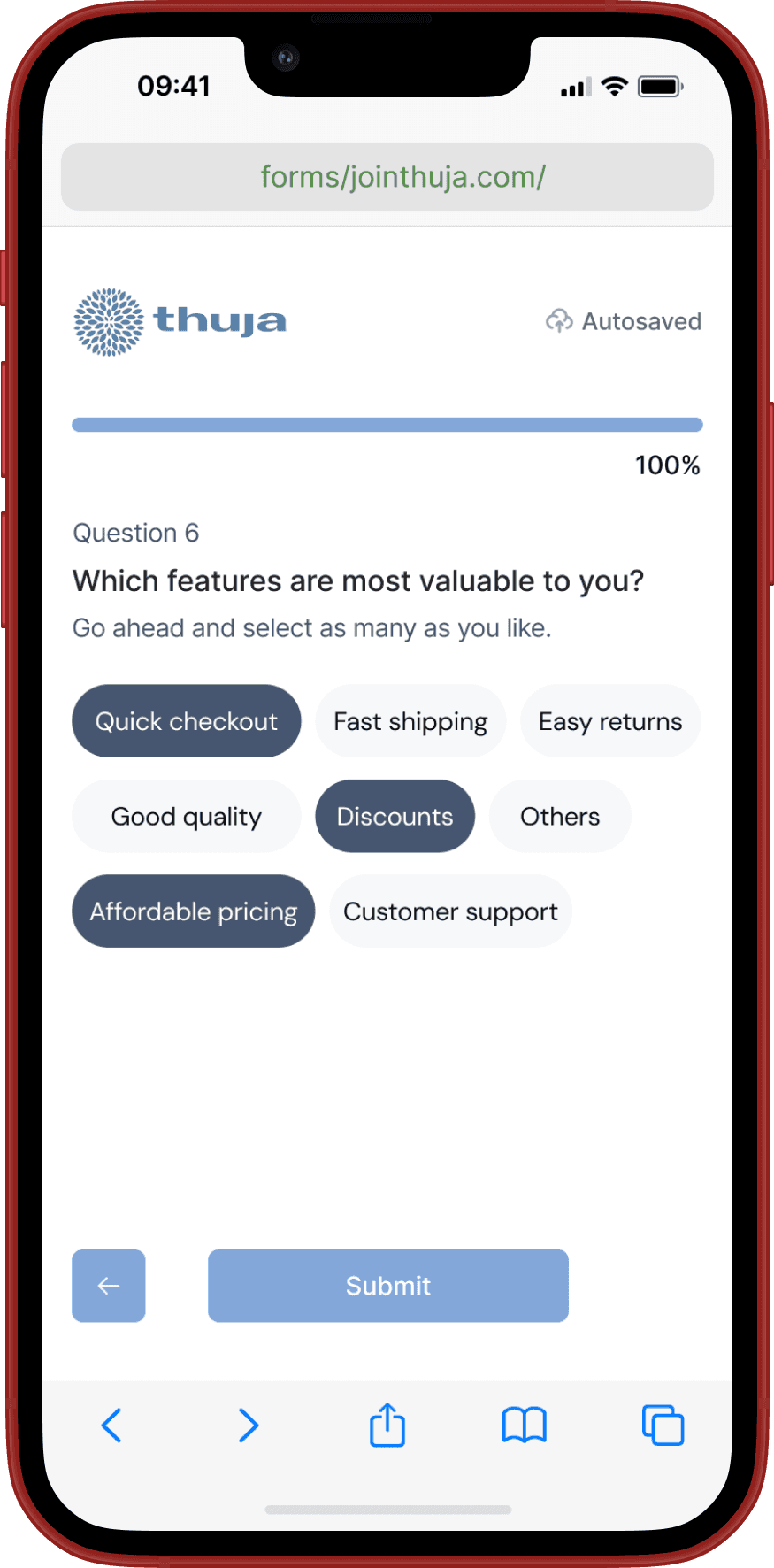
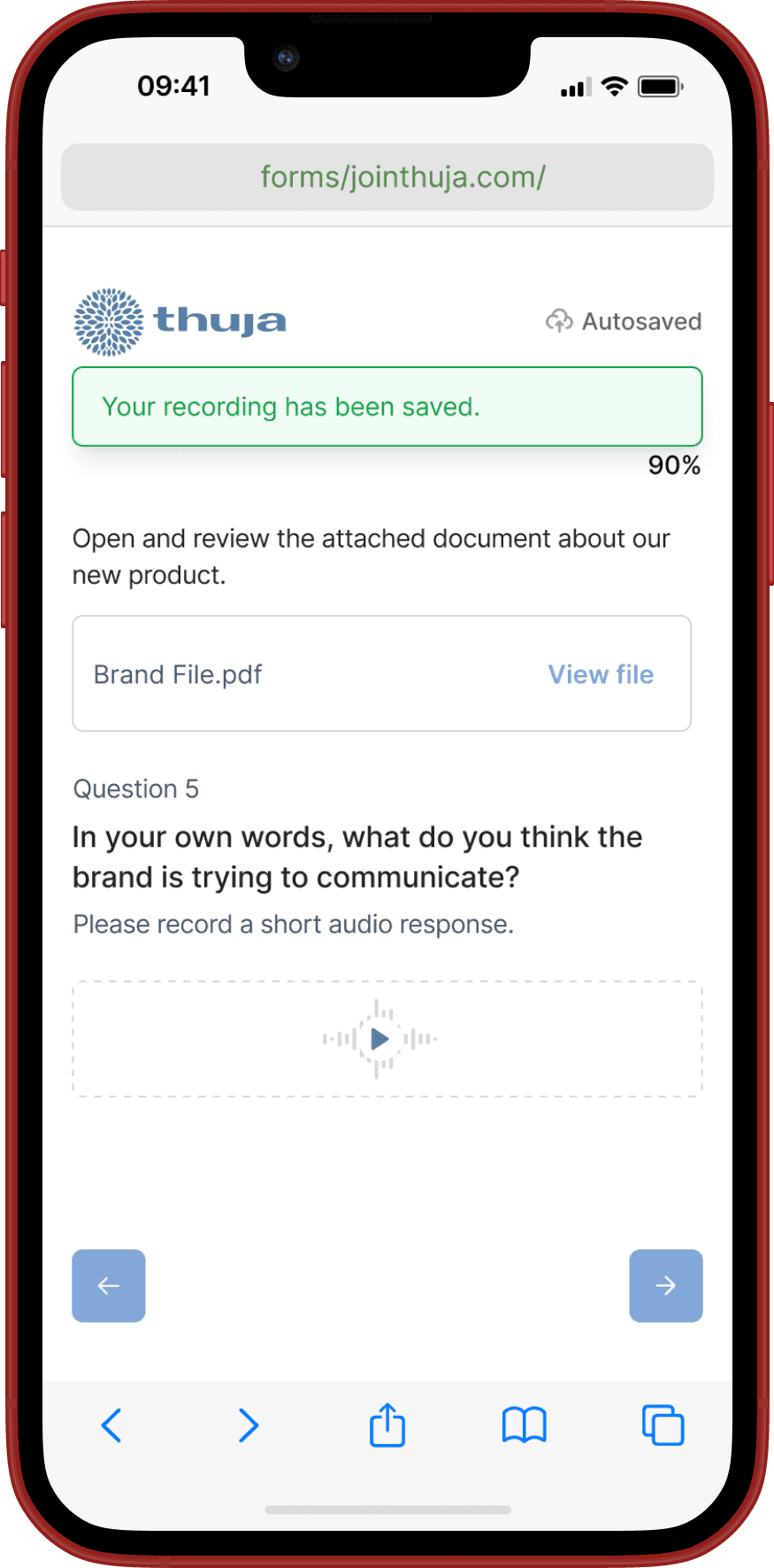
Most organizations already have ways to collect feedback. They send surveys, conduct interviews, and gather responses. The challenge starts after that. Every research cycle, teams had to manually review feedback, identify patterns, extract insights, build presentations, and share findings with stakeholders. The process was repetitive, time-consuming, and often took weeks before insights could be turned into decisions. This AI feedback tool was built to simplify that workflow. By bringing video, audio, and text feedback into one platform with AI-powered analysis, it reduced the process from eight manual steps to three: Capture → Analyze → Report. The goal was to help teams spend less time organizing data and more time acting on it.
As the founding designer, I led the end-to-end product experience, from defining core workflows and designing the web and mobile applications to building a scalable design system that supported the product as it grew.
Problem
Collecting feedback was easy. making sense of it wasn't.
The data was already there, surveys were completed, feedback was collected, and responses kept growing with every research cycle. The challenge wasn't gathering information, it was understanding what it all meant. Every round of research required someone to manually read through hundreds of responses, identify patterns, summarize insights, and turn them into presentations for leadership. It was time-consuming, repetitive, and easy to miss important findings.
While there were plenty of tools to collect feedback, there wasn't one that helped teams quickly turn that feedback into clear, actionable insights.
How did we solve it
What if analyzing feedback didn't have to be manual?
That was the question this AI feedback tool set out to answer.
Instead of giving teams another tool to manage, it simplified the entire process after feedback was collected. Teams could capture feedback, analyze it with AI, and generate presentation-ready reports, all in three steps instead of eight. Unlike traditional AI tools that primarily rely on text, this platform was built around video, audio, and text. This gave the AI richer context to work with, including tone, emotion, and confidence, helping teams understand not just what people said, but how they said it.
The result was more than a summary. It generated decision-ready reports that highlighted key themes, surfaced meaningful insights, and helped teams make faster, more informed decisions without spending weeks manually analyzing feedback.


Design Principles That Shaped Every Decision
Building an AI feedback platform meant solving a challenge most tools overlook, creating confidence in AI-generated insights.
Users needed to trust where feedback came from, how insights were generated, and how they could act on the results. Before designing a single screen, we established five principles that became the foundation for every decision, from capturing a respondent’s story to helping leaders understand and present insights.
01 Build for Truth, Not Just Data: Prioritize clarity, reliability, and trust at every touchpoint.
02 Capture the Whole Human: Preserve the emotions, context, and nuance behind feedback.
03 Keep Humans in the Loop: Use AI to support decisions, not replace human judgment.
04 Design for Inclusive Insight: Ensure every voice can be heard, understood, and valued.
05 From Pain to Progress: Turn feedback into meaningful actions and outcomes.



The Impact
What we shipped
I took the product from early research to MVP, revisiting user insights, defining product requirements, designing the web and mobile experience, and building a 40+ component design system from the ground up. Because this was an AI-powered product, a big part of the work was bridging the gap between technical possibilities and user trust. I worked closely with the engineering team to understand what was feasible and designed experiences that made AI-generated insights feel clear, explainable, and actionable.
The design system became more than a collection of components. It created a scalable foundation that allowed the team to build new features faster while maintaining consistency across the product. In 3 months, we shipped a complete MVP, moving from concept to a scalable product foundation.

